Recycling and Sustainability at Gardeners Blackwall
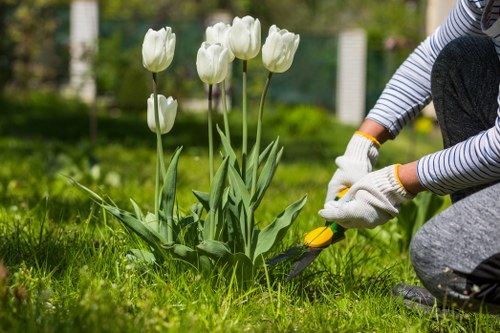 Gardeners Blackwall champions an eco-friendly waste disposal area model tailored for urban gardeners. Our approach balances practical garden upkeep with ambitious environmental goals: creating a resilient, low-waste gardening hub that supports soil health, biodiversity and carbon reduction. This first section outlines how our site functions as a neighbourhood resource for reuse, composting and responsible material handling.
We have set a clear recycling percentage target to measure progress: by the end of the next five years we aim for a 75% diversion of garden and related waste from landfill, moving material into composting, reuse streams and accredited local transfer stations. That target drives decisions from site layout to staff training and partnership agreements. The aim is practical and measurable: decrease landfill-bound waste while increasing the volume of garden waste turned into valuable compost and mulch.
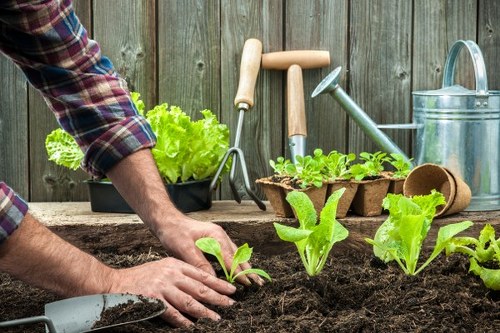 Our site links closely with nearby local transfer stations, where bulky organic loads and mixed recyclable materials are sorted and sent on to processing facilities. Typical boroughs' approaches to waste separation — such as kerbside dry recycling, food waste collection and separate garden waste bins — are mirrored in our systems so that materials can be handled compatibly with municipal processing. Key materials we direct to transfer stations include:
- Green waste for industrial composting
- Clean timber and untreated wood for chipping and reuse
- Metals and plastics from tools and planters for recycling
Creating a Sustainable Rubbish Gardening Area
Our practical sustainable rubbish gardening area is designed for on-site sorting: clearly marked bays for organics, wood, clean rubble and salvageable items. We train volunteers and staff in simple separation rules that align with local authority guidance, improving the quality of recyclable streams and reducing contamination. Quality separation is the single biggest lever for improving recycling rates.We prioritise reuse before recycling. Undamaged planters, tools and timbers are assessed and diverted to partner charities or community reuse networks, while other items are repaired in-house. The site uses low-tech solutions—such as raised compost bays and sheltered reuse racks—combined with digital stock records to track materials and ensure they are redirected to the best possible secondary use.
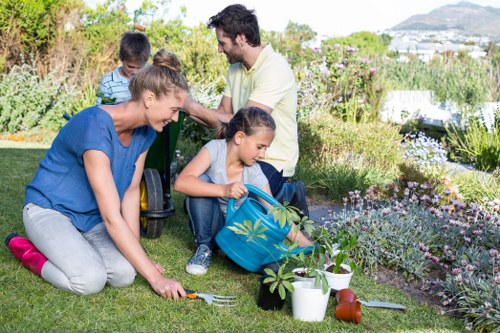 To support the community, we run workshops and short practical sessions about composting, mulching and low-waste garden practices. These sessions promote an eco waste disposal for gardeners mindset: source reduction, reuse and on-site resource recovery. Training emphasises the boroughs' waste separation norms so residents can confidently sort at home and contribute cleaner material to our sustainable systems.
Local Transfer Stations & Boroughs' Collection Practices
Several nearby transfer stations accept segregated garden waste and recyclable construction-type materials. Our collaboration with them means fewer collection trips and faster processing. Many local boroughs operate a three-stream kerbside system (dry recycling, food waste and residual waste) and an optional garden waste collection; our site complements that by taking larger or community-generated volumes that are not suitable for domestic bins.Accepted items at partner transfer stations typically include:
- Compostable green waste and woody prunings
- Clean builder’s rubble and soil for reprocessing
- Metal fittings, pots and recyclable plastics
These consistent acceptance criteria help us keep contamination low and ensure high-quality outputs.
Our recycling percentage target is backed by measurable milestones. In year one we focus on reaching a 55% diversion from landfill, improving systems and recording tonnages from every waste stream. By year three we aim to exceed 65%, and by year five reach the 75% goal. Progress is reported internally and used to refine collection schedules, community engagement and technical investments.
Partnerships with charities are central to our model. We collaborate with local reuse organisations, community gardens and redistribution networks to ensure that salvageable items and surplus plants are passed on. Examples include donating solid planters to community groups, redirecting unused compost to food-growing projects and working with social enterprises that refurbish tools. These partnerships reduce waste, create social value and support a circular approach to urban gardening.
 Deliveries and collections are becoming greener: our fleet strategy replaces diesel vans with low-carbon alternatives. We use electric vans and, where appropriate, cargo bikes for small local runs, and implement route optimisation to minimise mileage. Investing in low-emission vehicles helps reduce the carbon footprint of our operations and supports the broader goal of a gardeners' sustainable waste area that contributes to local air quality improvements.
 Monitoring, continuous improvement and community engagement complete the picture. We log all inbound and outbound materials, review contamination incidents and run periodic audits with transfer station partners to ensure compliance with borough standards. Regular community drop-in days, volunteer shifts and information boards help residents adopt better separation habits for an overall increase in recycling performance.
In practical terms, Gardeners Blackwall combines hands-on reuse, formal recycling paths via transfer stations, charity partnerships and a low-carbon fleet to deliver an eco-friendly waste disposal area fit for contemporary urban gardening. Our model is scalable: the systems we use can be adapted by other green spaces, allotments and community sites that want to create a high-performing sustainable rubbish gardening area without heavy capital costs.
We envision a future where community gardeners view waste as a resource: compost to feed beds, reclaimed timber for raised planters and repaired tools circulating in local reuse loops. With a clear recycling percentage target, strong local partnerships, alignment with borough waste separation approaches and a commitment to low-carbon transport, Gardeners Blackwall is building a resilient, circular and environmentally responsible gardening hub.

