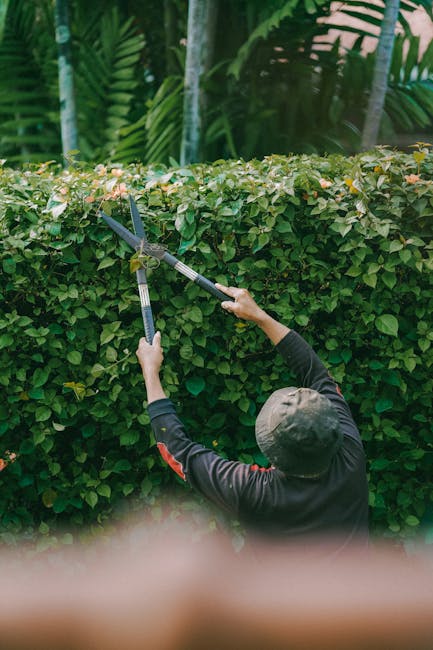
Tight access jobs Blackwall insider tips from local gardeners

Back garden through a side return that barely takes a wheelbarrow? Narrow alleyway, no clear parking, and a lawn that seems to be hiding behind three fences and a shed? You are not alone. Tight access jobs Blackwall insider tips from local gardeners usually come down to one thing: how to get the work done cleanly, safely, and without making the whole place feel like a construction site. In Blackwall, where space can be awkward and shared access can be precious, the difference is often in the planning, not just the tools.
In this guide, local gardeners' practical advice is laid out plainly: what tight access work really involves, how a good team approaches it, what can go wrong, and how to prepare so the job runs smoother. There are also a few insider-style tips that tend to save time, reduce mess, and make quotes more accurate. Nothing flashy. Just the stuff that actually helps.
Why tight access garden work matters in Blackwall
Tight access jobs are not just "normal gardening with a bit less room." They change how every part of the job works. Movement is slower, materials are harder to carry, equipment may need to be smaller, and waste can become a puzzle if there is no easy route out. In Blackwall, that matters because many gardens, terraces, courtyard spaces, and shared access routes are compact or simply awkward.
The real issue is not only convenience. It is risk. A team that tries to force bulky kit through a narrow path can damage fences, paving, planted borders, or neighbours' property. Worse, they can make a job take far longer than planned. That is why experienced local gardeners tend to think in terms of access routes first and plant work second. Sensible, really.
Another reason it matters is cost control. Tight access often changes the labour time and the way waste is removed. If a gardener understands the access challenges early, they can quote more accurately and avoid those annoying mid-job surprises. Nobody enjoys the phrase "we need to revisit the price" halfway through a clearance. Let's face it, nobody.
For a broader view of what a gardening business can handle in the area, it helps to look at the wider services overview and the practical details in about us, especially if you want a team that understands local working conditions rather than just garden theory.
How tight access garden jobs work
The process starts before anyone picks up a spade. A good gardener will usually want to understand the route into the garden, the width of side access, gate openings, steps, slopes, low walls, overhead obstructions, and whether there is space to stage waste or materials. If that sounds fussy, it is only because it saves a headache later.
In practice, the work usually follows a simple pattern:
- Access check - the team looks at the path in, the path out, and where tools or debris can be placed safely.
- Job breakdown - the garden task is split into smaller parts, such as pruning, mowing, clearance, or landscaping.
- Kit selection - compact tools, lighter bags, smaller mowers, folding hand tools, and manageable load sizes are chosen.
- Protection setup - surfaces, edges, and nearby features are protected where needed.
- Careful movement - materials are moved in smaller loads rather than trying to "do it all at once."
- Waste handling - cuttings and rubble are bagged, stacked, or moved in stages to avoid blocking the access route.
That last point matters more than people realise. In a tight space, clutter becomes the job. If a path is blocked by half-finished waste bags, the whole site slows down. A tidy sequence is often more important than brute force.
For recurring outdoor maintenance, a team offering garden maintenance can usually plan tight access more efficiently because they already know the site layout, the awkward corners, and the seasonal build-up that happens in small gardens. And if the work involves overgrown boundaries or privacy screens, hedge trimming may need extra care to avoid snagging on fences or neighbouring access points.
Key benefits and practical advantages
Handled properly, tight access jobs bring some very real advantages. The first is reduced damage. Smaller tools and a better route plan mean fewer scuffed walls, fewer broken pots, and less risk to paving or timber fencing. That may sound obvious, but in cramped gardens it is the difference between a tidy finish and a slightly miserable one.
The second is speed, oddly enough. You might think small access always means a slow job, and sometimes it does. But a team that plans properly can still move steadily because they are not constantly stopping to untangle equipment, reverse a barrow, or rework the route. A clean system beats random effort every time.
The third is better results. When access is tight, gardeners often have to use more selective pruning, lighter loads, and more deliberate handling. That usually leads to better decisions about what to keep, what to remove, and how to shape the garden so it still feels balanced rather than hacked about.
The fourth is neighbour-friendly working. In Blackwall, where gardens can sit close together and sound travels easily, a disciplined approach helps limit disruption. Less dragging, fewer repeated trips, less shouting across fences. Honestly, that part matters more than people admit.
Expert summary: tight access is not a limitation to be fought against; it is a condition to plan around. The best jobs look calm because the difficult part happened before the first bag was lifted.
Who this is for and when it makes sense
This kind of work is relevant if your garden has any of the following: a narrow side passage, a shared entry point, limited on-street loading, stepped access, a rear garden with no direct vehicle access, or a setup where bulky tools simply will not fit. It also makes sense if you have a lot of green waste, an overgrown boundary, or a small but complicated outdoor area that needs careful handling.
Typical situations include:
- courtyard gardens with narrow entry points
- terraced properties with long side access
- shared access gardens where timing matters
- small back gardens with heavy pruning or clearance needs
- properties needing regular visits rather than one-off heavy intervention
If your project is more design-led, such as a complete refresh, a compact access route does not stop the work. It simply changes the approach. That is where landscape gardening or broader landscaping can be useful, because planning for access early often avoids awkward compromises later. And if there is old rubbish, broken timber, or years of growth in the way, a proper garden clearance can reset the space before the finer work starts.
It is also worth saying that some jobs are simply better tackled in dry weather or with daylight on your side. A narrow route that is fine in daylight can become a muddy squeeze after rain. Small detail, big difference.
Step-by-step guidance
If you are arranging a tight access garden job, here is the approach that tends to work best in real life.
- Measure the access route properly. Do not guess. Measure gate widths, passage width, and any pinch points. If a wheelbarrow fits only if it is tilted, that matters.
- Walk the route with the gardener if possible. A short walkthrough can reveal low branches, loose paving, steps, or turns that are not obvious in photos.
- Show the problem areas early. Point out broken fencing, soft ground, slippery slabs, or delicate edging. You will save yourself a lot of bother.
- Decide what must stay and what can go. In tight spaces, clarity helps. If a gardener knows which planters, ornaments, or materials are staying put, they can work more efficiently.
- Plan waste handling in advance. Ask how cuttings and debris will be moved. Multiple smaller loads are often smarter than one heroic attempt.
- Think about timing. If access is shared, choose a slot that keeps disruption low. Early morning can be fine, but only if the site and neighbours make it sensible.
- Agree the finish standard. A small space can look cluttered very quickly. Define whether the job includes sweeping, bagging, loading, or a full tidy-up.
To be fair, the most useful step is usually the first one: honest measurement. A surprising number of access problems come from optimistic assumptions. "It'll be fine" is not a plan. It's a hopeful shrug.
Expert tips for better results
Local gardeners who work in compact areas tend to rely on a handful of habits that make everything easier. The first is to keep tools modular. Smaller tools are slower on paper, but in a tight garden they often win because they are easier to move and less likely to damage surfaces. A compact mower, folding saw, hand pruners, and lightweight bags can be more effective than heavier kit that needs constant manoeuvring.
The second tip is to create a clean staging zone. Even a small patch of paving can become a temporary "base" for tools and waste. That tiny staging area, kept tidy, reduces back-and-forth and gives everyone a clearer sense of flow. It sounds ordinary. It is. And that is why it works.
The third is to think in layers, not just tasks. For example, if you need mowing, trimming, and minor clearance, it may be better to remove loose debris first, then cut back overgrowth, then finish with mowing. Otherwise you end up cutting twice because the route was blocked by clippings. Classic waste of energy.
The fourth tip: protect the access route before you protect the lawn. In a tight job, the route in and out is the real lifeline. If it gets damaged or congested, everything else suffers. It is a bit like keeping the kitchen doorway clear while cooking. Nothing glamorous, but very sensible.
The fifth tip is to match the task to the season. Winter jobs in narrow spaces can mean damp footwear, slippery steps, and heavier waste. Summer jobs may be easier to manage, but dry growth can be bulkier and dustier. Either way, the best teams adapt rather than force the same method every time.
If you need a service that can handle regular, compact-site upkeep, browsing lawn mowing alongside maintenance support is a practical next step. For structural features and hard surfaces, you may also want to review decking services if the route or garden layout includes timber areas that need careful protection during work.
Common mistakes to avoid
One of the biggest mistakes is underestimating waste volume. A small garden can still produce a shocking amount of cuttings, especially if hedges or shrubs have been left untouched for a while. Bags fill quickly, and if nobody has planned where they will go, the site clogs up.
Another common problem is choosing the wrong machine size. A larger tool may look more efficient, but if it needs constant lifting, turning, or backtracking, it becomes a burden. Sometimes the "proper" tool is the one that fits the route, not the one that looks most impressive in the van. Bit of a bruised ego, maybe, but that is gardening.
People also forget about ground conditions. Tight access over wet grass, loose gravel, mossy slabs, or old timber boards can be difficult even for experienced gardeners. If the route is fragile, the work needs to be lighter and slower. Trying to rush through is how little problems become expensive ones.
Another mistake is poor communication with neighbours or shared access users. If equipment blocks a passage or bags are stacked in a communal area without warning, friction can build very quickly. Better to explain the plan first, even briefly.
And finally, many homeowners forget to clear the route themselves before the team arrives. A few bins, bikes, plant pots, or children's toys can turn a simple access route into a frustrating obstacle course. Easy to avoid, though. Really easy.
Tools, resources and recommendations
For tight access work, the best tools are usually not the biggest ones. Think compact, light, and easy to carry. Hand tools often outperform bulkier kit in narrow routes because they reduce strain and allow more control.
Useful items commonly include:
- folding pruning saws
- lightweight secateurs and loppers
- small hand rakes and brushes
- compact lawn mowers for smaller lawns
- sturdy but manageable waste bags
- tarps or sheets for controlled debris movement
- gloves with decent grip for slippery or damp access routes
It is also smart to keep a simple site note. Even a quick written sketch of the route, gates, steps, and blocking points can help the work go faster on repeat visits. Nothing fancy. A phone photo, a few measurements, and a small note about gate latches or uneven paving can save time later.
For jobs that involve hard-to-reach corners, roots, or overgrown shrubs, a service such as tree lopping and removal may be the relevant next step, especially where clearance around the access route is part of the problem. If the garden has simply got out of hand, the practical sequence often starts with clearance, then maintenance, then any reshaping work.
Some homeowners also find it helpful to ask about the company's working standards before booking. That can include insurance and safety, especially where awkward access creates extra risk, and health and safety policy details if you want reassurance that the team is thinking carefully about site conditions. Not because every job is risky, but because the awkward ones deserve proper care.
Law, compliance, standards, or best practice
With garden work, most of the practical compliance questions relate to safety, neighbour consideration, waste handling, and responsible working rather than anything dramatic. In a tight access setting, best practice often matters as much as formal rules because the site itself creates the risk.
For example, if work involves ladders, power tools, or moving heavy waste through narrow routes, the team should use sensible manual handling methods and safe working practices. If access crosses shared areas, the team should avoid creating hazards or blocking routes without reason. If waste is being removed, it should be managed in a tidy and lawful way, with attention to recycling where possible. Nothing too exotic there, just solid practice.
If you are comparing providers, it can help to check how they talk about responsibilities, payment, and job scope. A clear set of terms and conditions and transparent payment and security information usually tells you a lot about how organised a business is. Likewise, a visible approach to recycling and sustainability is a good sign when a job is likely to produce a lot of green waste.
If access is genuinely difficult, honest quoting matters. A provider should be able to explain whether the job needs extra labour, special handling, or staged removal. If you want a clearer view of how a company approaches pricing, the page on pricing and quotes is worth a look before you book anything. And if there is ever a problem with the service journey, a proper complaints procedure is a useful trust signal. Unglamorous, yes. Still important.
Options, methods, and comparison table
Not every tight access job should be approached the same way. The right method depends on the size of the garden, the level of overgrowth, and how delicate the access route is. Here is a practical comparison.
| Method | Best for | Advantages | Trade-offs |
|---|---|---|---|
| Hand tools only | Very narrow access, delicate spaces, small tidy-up jobs | Highly controlled, less damage, easy to carry | Slower on larger jobs |
| Compact machinery | Small lawns, medium tidy-ups, routes with limited width | Balances speed and access, less fatigue | May still struggle with very tight turns |
| Staged clearance | Heavy overgrowth, waste-heavy gardens, awkward exits | Reduces congestion, manageable loads, cleaner workflow | Takes more planning and usually more labour |
| Full redesign before maintenance | Long-term problem gardens, repeated access issues | Can solve recurring bottlenecks and improve usability | Higher upfront effort and coordination |
In many Blackwall gardens, the best answer is a hybrid. A little hand work, a bit of compact kit, and a carefully staged route. It is rarely one tool alone that saves the day. More often, it is the sequence.
Case study or real-world example
Picture a typical compact rear garden behind a terraced property. The access is through a narrow side passage with one awkward turn, a slightly raised step, and a gate that does not open fully because it catches on old paving. The garden itself is not huge, but it has a thick hedge, patchy lawn, and several bags of accumulated debris from previous DIY jobs. Classic, really.
The first move is not cutting anything. It is clearing the route. Loose items come out of the way, the gate is checked, and the step is made safer. Then the gardener starts with the debris pile because it is easier to work when the access route is not shrinking by the minute. After that, the hedge is reduced in manageable sections, the lawn is cut, and the remaining clippings are bagged as they go rather than being left to build up.
What made the job successful was not speed. It was control. The team did not keep dragging bulky loads through the same tight bend. They adjusted the sequence and kept the passage clear. By the end, the garden looked calmer, and the owner said something every gardener loves to hear: "It actually feels bigger now." That is often the sign of a job done properly.
If that kind of reset sounds familiar, the best next move is usually a mix of maintenance and clearance rather than trying to solve everything in one heroic visit. A steady approach wins more often than the dramatic one. Every time, almost.
Practical checklist
Use this quick checklist before booking a tight access garden job in Blackwall:
- Measure the narrowest points of the access route
- Check gate opening width and whether it swings fully
- Note steps, slopes, soft ground, or slippery paving
- Remove bikes, bins, toys, and loose items before the visit
- Decide where waste can be staged safely
- Share any neighbour or shared-access concerns early
- Clarify whether the job includes bagging, loading, and final tidy-up
- Ask what equipment will be used and whether it suits the access
- Confirm timing if access is shared or limited
- Check insurance, safety, and job terms before work begins
Practical takeaway: the smoother the route, the better the result. Not always by a huge margin, but enough to matter.
Conclusion
Tight access garden jobs in Blackwall are not about forcing big tools into small places. They are about reading the site properly, choosing the right order, and respecting the access route as part of the job rather than an afterthought. That is the real insider tip from local gardeners: control beats guesswork.
If you prepare well, communicate clearly, and choose a team that understands narrow routes, shared entries, and waste handling, you will get a cleaner result with less stress. And honestly, that is what most people want anyway - a neat garden, no drama, no damage, no endless back-and-forth.
If you are planning a garden job with awkward access, take the time to compare service scope, pricing clarity, and working standards before you commit. A well-planned visit can save a lot of hassle later, and in a compact Blackwall garden, that peace of mind is worth a great deal.
Get a free quote today and see how much you can save.
Frequently Asked Questions
What counts as a tight access garden job?
It is any garden task where the route in or out is narrow, awkward, shared, stepped, or too tight for normal equipment without extra planning.
Can a small garden still be difficult to access?
Yes. A tiny courtyard can be harder than a larger plot if the gate is narrow, the passage is uneven, or waste has nowhere sensible to go.
Do tight access jobs always cost more?
Not always, but they often take more time or need smaller equipment, so pricing can reflect the extra effort. A proper quote should explain that clearly.
What is the best way to prepare before the gardeners arrive?
Clear the access route, move loose items, and share any awkward points such as weak paving, low branches, or gates that stick.
Should I measure the access route myself?
Yes, if you can. Even rough measurements of the narrowest points help a gardener decide whether compact tools or staged work will be needed.
What equipment is usually used for narrow access work?
Often it is a mix of hand tools, compact mowers, lighter bags, and smaller cutting tools that are easier to manoeuvre safely.
How do gardeners handle waste in a tight space?
Usually by bagging or staging it in smaller loads and keeping the route clear, rather than leaving piles where they block movement.
Is it better to book clearance or maintenance first?
If the garden is heavily overgrown, clearance first usually makes more sense. Once the space is opened up, ongoing maintenance becomes much easier.
Can tight access affect the finish quality of the job?
It can, but not necessarily in a bad way. A skilled team will adjust the method to protect surfaces and produce a cleaner, more controlled result.
What should I ask before booking a Blackwall gardener?
Ask how they handle narrow access, what equipment they will use, whether waste removal is included, and how they manage safety and site protection.
Are shared access routes a problem?
They can be if communication is poor. With good timing and a clear plan, though, shared access is usually manageable.
How do I know if a gardener is experienced with tight access jobs?
They should ask practical questions about width, route condition, waste handling, and protection of surfaces. If they do that early, that is a good sign.
If you want a company page that explains who is behind the service and how they work, the about us page is a useful place to start, and the contact us page is there when you are ready to discuss your own garden. For full policy details, you can also review the site's accessibility statement and cookie policy if you want a clearer picture of how the website is run.