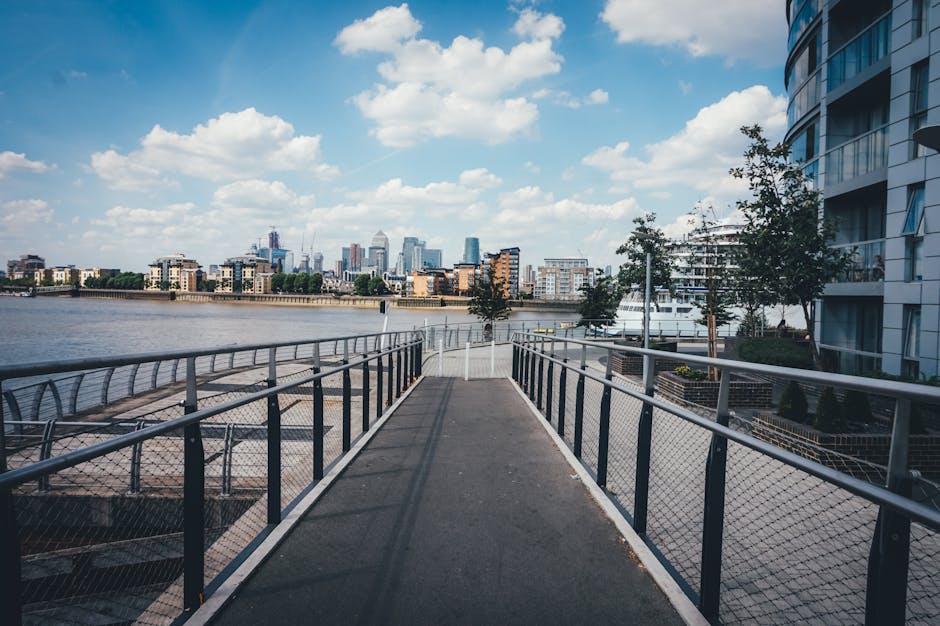
Garden maintenance near Blackwall Tunnel and Canary Wharf
If you live, work, or manage property around Blackwall Tunnel and Canary Wharf, you already know the garden situation can be a bit of a balancing act. Space is often tighter, access can be awkward, and the pace of life leaves very little room for delayed pruning or a lawn that's gone wild by Wednesday. Garden maintenance near Blackwall Tunnel and Canary Wharf is not just about keeping things tidy; it is about keeping outdoor space usable, presentable, and safe all year round.
Whether you're looking after a small courtyard, a shared estate garden, a private terrace, or a larger commercial outdoor area, good maintenance helps everything feel calmer and more cared for. In this guide, we'll look at what garden maintenance actually involves, how it works in a busy London setting, what to expect from a reliable service, and how to avoid the common mistakes that cost time and money later on.
For readers comparing services, it can also help to understand the wider range of support available. A proper maintenance plan often sits alongside garden maintenance services, with extra help from lawn mowing, hedge trimming, garden clearance, and sometimes even tree lopping and removal or decking services. It depends on the space. And on how much you want to do yourself, frankly.
Table of Contents
- Why Garden maintenance near Blackwall Tunnel and Canary Wharf Matters
- How Garden maintenance near Blackwall Tunnel and Canary Wharf Works
- Key Benefits and Practical Advantages
- Who This Is For and When It Makes Sense
- Step-by-Step Guidance
- Expert Tips for Better Results
- Common Mistakes to Avoid
- Tools, Resources and Recommendations
- Law, Compliance, Standards, or Best Practice
- Options, Methods, or Comparison Table
- Case Study or Real-World Example
- Practical Checklist
- Conclusion
- Frequently Asked Questions
Why Garden maintenance near Blackwall Tunnel and Canary Wharf Matters
In this part of London, gardens are often exposed to a mix of urban pressure, traffic residue, shade from taller buildings, wind tunnels between developments, and the general wear that comes with high footfall and limited space. That sounds dramatic, but it's true enough. A garden that might have looked fine in spring can start to feel tired very quickly if it's not maintained with some consistency.
There's also the presentation side. Around Canary Wharf, outdoor spaces can play a surprisingly big role in how a property is perceived. A neat front garden or well-kept communal planting can make an entrance feel welcoming instead of neglected. Near Blackwall Tunnel, where many homes and buildings are close to busy transport routes, tidy planting and regular upkeep also help reduce visual clutter and keep outdoor areas feeling manageable.
Then there is the practical part. Overgrown hedges can block light. Wet leaves can make paths slippery. Unchecked weeds can spread fast in compact beds and cracks in paving. A lawn left too long becomes patchy and harder to recover. Small problems, left alone, become expensive annoyances. To be fair, that's the part people often realise too late.
Garden maintenance is also about rhythm. Outdoor spaces do better when they are looked after regularly rather than rescued occasionally. That is especially important in London, where weather changes, shaded spots, and built-up surroundings can create very specific maintenance needs.
Practical takeaway: in dense local areas, the real value of garden maintenance is not perfection. It is consistency, safety, and a space that still feels usable on a wet Tuesday morning.
How Garden maintenance near Blackwall Tunnel and Canary Wharf Works
Good garden maintenance usually starts with a walk-through. A gardener looks at what is growing, what is struggling, what needs immediate attention, and what can wait. In many cases, the first visit is about establishing the condition of the space rather than making sweeping changes. That first read matters more than people think. A garden can look straightforward until you notice drainage issues, compacted soil, hidden self-seeded growth, or hedging that needs a careful hand rather than a hard cut.
In a typical maintenance plan, the work may include mowing, edging, weeding, pruning, deadheading, leaf clearance, plant health checks, and seasonal tidying. If the garden contains trees or larger shrubs, more specialist tasks might be needed too. If a space is heavily overgrown or has been left untouched for a while, a one-off reset such as garden clearance can make later maintenance much easier.
There is often a difference between one-off work and recurring maintenance. One-off work is useful after a tenancy change, renovation, long trip, or a period of neglect. Recurring maintenance is what keeps the space in shape without letting it drift. For many clients, monthly or fortnightly visits are enough. Others need a more seasonal approach. It depends on planting, use, and how much growth the site naturally produces.
In urban gardens, access matters too. If tools need to be carried through narrow side passages, shared entrances, or lift access in a managed building, the plan has to be practical. A good gardener will think about storage, waste removal, working hours, and how to keep disruption low. Nobody wants hedge clippings in the hallway at eight in the morning. Nobody.
Key Benefits and Practical Advantages
The obvious benefit is that the garden looks better. But honestly, that's only the beginning. Good maintenance affects how the whole property feels and functions.
1. Better curb appeal and day-to-day presentation
A clean edge on the lawn, trimmed hedges, and healthy planting make a garden feel intentional. Even a small space can look sharp if the details are handled properly. Around Canary Wharf, where presentation often matters for homes, landlords, and commercial premises, that can make a real difference.
2. Healthier plants and fewer setbacks
Regular pruning, feeding where appropriate, and weed control all support stronger growth. Plants stay in better condition when they are not forced to compete with overcrowding or stale debris. You will notice the difference in leaf colour, bloom quality, and general vigour after a while.
3. Safer outdoor areas
Maintenance reduces hazards such as slippery paths, broken branches, and overgrown routes. This matters for families, tenants, visitors, and staff. It also matters in communal settings where more than one person is using the same space.
4. Less expensive recovery work later
Letting a garden deteriorate often costs more to fix than simply keeping it under control. Repeated clearance, patchy lawn repair, or restorative pruning all take more time than light, regular attention.
5. Better use of limited space
In compact London gardens, every square metre counts. Maintenance helps define paths, borders, seating areas, and planting beds so the space feels larger and more usable. It's a small win, but a meaningful one.
Who This Is For and When It Makes Sense
Garden maintenance near Blackwall Tunnel and Canary Wharf is useful for more people than you might expect. It is not just for large houses with spacious lawns. In fact, some of the most maintenance-sensitive spaces are the smaller ones.
- Homeowners who want a tidy, liveable outdoor space without spending weekends chasing weeds.
- Landlords who need the property to stay presentable between tenancies or inspections.
- Estate and block managers dealing with communal planting, shared entrances, or access routes.
- Commercial property owners who need an outdoor area to reflect the standard of the building.
- Busy professionals who simply don't have the time to stay on top of it all.
- Residents with older or overgrown gardens who need a reset before a regular schedule can begin.
It makes sense to book maintenance when the garden starts showing early warning signs: edges blur, weeds appear faster than they used to, hedges lose shape, paths gather debris, or the whole place begins to feel slightly forgotten. That's usually the moment where a little help goes a long way.
If the garden also needs redesigning or a more complete refresh, it may be worth exploring landscaping or landscape gardening rather than maintenance alone. Maintenance keeps things healthy. Landscaping changes the structure. Different jobs, different outcomes.
Step-by-Step Guidance
If you are arranging garden maintenance for the first time, the process is usually simpler than it sounds. Here's how it generally works.
- Assess the space honestly. Walk through the garden and note what is thriving, what is overgrown, and what feels unsafe or messy.
- Decide the maintenance level. One-off tidy-up, seasonal visit, or ongoing support? The answer should match how the space is used.
- Identify priority tasks. Mowing, hedge trimming, weeding, pruning, leaf clearance, border tidy-up, or waste removal may all be part of the job.
- Check access and constraints. Think about gates, storage, shared entrances, pets, neighbours, parking, and any time restrictions.
- Agree the scope clearly. A good brief avoids confusion. What is included? What is not? That saves awkward conversations later.
- Start with the worst areas first. The most urgent jobs usually create the biggest visual and practical improvement.
- Move onto regular upkeep. Once the garden is under control, a lighter recurring schedule keeps it there.
- Review after a few visits. Gardens change with the seasons. So should the plan.
A small note here: if there is any large woody growth or risky branch work, don't assume it can be handled as ordinary tidying. Specialist tree work may be better handled through tree lopping and removal. Similarly, if a hedge has become dense and unruly, a dedicated hedge trimming visit often gives cleaner results than a general tidy.
Expert Tips for Better Results
Good maintenance isn't just about doing more. It's about doing the right things at the right time. That sounds obvious, but in practice it's where many gardens either improve or drift.
Trim with the plant's shape in mind. Not every shrub wants a hard geometric cut. Some plants respond better to light, selective pruning. If you cut everything into identical blocks, you can ruin the natural structure. Harsh? Maybe. But true.
Work with the season. Spring growth, summer watering pressure, autumn leaf drop, and winter dieback all need different attention. A maintenance plan that ignores the seasons tends to feel a bit clumsy.
Don't overwater shaded or slow-draining areas. In urban settings, some beds stay wet longer than expected. Overwatering can be just as damaging as neglect.
Leave breathing room around plants. Crowded borders attract pests, diseases, and damp issues more easily. Space helps air move through the planting.
Keep edging sharp. It's a small thing, but clean edges make a garden look well cared for even when the planting is fairly simple.
Plan for waste removal. Clippings, branches, and leaf litter can build up quickly. If waste handling is part of the job, make that clear from the start. It saves time and avoids piles sitting around after the work is done.
Be realistic about what one visit can do. A neglected garden often needs a staged approach. A single afternoon won't fix years of build-up. That's fine. Slow and steady is usually better anyway.
And a small human truth: the first tidy-up often looks almost too dramatic. Then a week later, you wonder how it ever got so crowded in the first place.
Common Mistakes to Avoid
Most garden problems start with good intentions and a delayed decision. That's the honest version.
- Waiting too long between visits. By the time the garden feels "really bad," the work is often bigger than it needed to be.
- Using one heavy cut instead of steady maintenance. Over-pruning can stress plants and leave visible damage.
- Ignoring access issues. Narrow paths, shared entrances, and lift access can change how the work should be organised.
- Forgetting the lawn and edges. A garden can look untidy quickly if the lawn is left patchy or the borders are not defined.
- Mixing maintenance with redesign. If the space needs a structural change, treat it as a separate job rather than expecting a tidy-up to solve everything.
- Leaving waste on site too long. Wet clippings and branches can smell, attract pests, and make a neat garden feel messy again.
- Assuming every plant is low maintenance. Some are forgiving, some are not. A little planning goes a long way.
One of the most common mistakes is simple: people notice the garden only when it has become annoying. That's normal, but it makes the work harder. Regular attention avoids the scramble.
Tools, Resources and Recommendations
You do not need a giant shed full of specialist gear to keep a small London garden in good shape. The useful tools are usually the ordinary ones used properly.
- Sharp secateurs for clean cuts on smaller stems and deadheading.
- Hand shears or hedge trimmers for shaping and reducing soft growth.
- A reliable mower for keeping lawns even and preventing that "forgotten meadow" look.
- Spade, fork, and trowel for border work and planting.
- Leaf rake and debris tools for seasonal clean-ups.
- Gloves and safety gear to reduce minor injury and irritation from thorny or rough material.
For larger or more involved work, professional support tends to be more efficient than buying tools you'll use twice a year. That's just practical. If you're comparing service options, a broader overview such as services overview can help you see how maintenance fits with related work. If you also want to understand how pricing is usually handled, the pricing and quotes page is a sensible place to start.
Waste handling and sustainability matter too. A responsible approach should aim to reduce unnecessary disposal and keep recyclable green waste moving in the right direction where possible. The site's recycling and sustainability information is useful if you want to think a little more carefully about what happens after the cuttings are removed.
Law, Compliance, Standards, or Best Practice
For garden maintenance, the key point is usually best practice rather than heavy regulation. That said, there are sensible standards to follow, especially where safety, waste, and access are involved.
For example, if the work involves ladders, sharp tools, machinery, or tree-related tasks, it should be carried out with proper risk awareness and safe working methods. That means sensible site checks, appropriate equipment, and care around residents, passers-by, and neighbouring properties. In busy local areas, this is not just a box-ticking exercise. It matters.
Waste should also be handled responsibly. Green waste, soil, and cuttings should not be dumped casually, and any materials removed from site should be dealt with in line with normal environmental and disposal expectations. A reputable contractor should be able to explain how they manage that without fuss.
For clients, it is worth checking practical trust points too: insurance, payment terms, and complaints handling. These are not exciting topics, but they are the ones that make a service feel reliable. You can review the company's insurance and safety, health and safety policy, and terms and conditions to understand the basics before booking. It's boring on paper, yes, but rather useful when you actually need it.
Options, Methods, or Comparison Table
Different gardens need different levels of care. The table below gives a practical comparison of the main options people usually consider around Blackwall Tunnel and Canary Wharf.
| Approach | Best for | What it includes | Pros | Limits |
|---|---|---|---|---|
| One-off tidy-up | Overgrown or neglected spaces | Basic cutting, clearing, and reset work | Quick visual improvement, useful before events or inspections | Does not keep the garden in shape by itself |
| Regular maintenance | Homes, blocks, and businesses that want consistency | Routine mowing, pruning, weeding, and seasonal care | Prevents build-up, keeps the site presentable | Needs a recurring schedule |
| Maintenance plus clearance | Gardens that have slipped behind | Initial clearance followed by ongoing upkeep | Best of both worlds when a space needs a fresh start | More work at the beginning |
| Maintenance plus landscaping | Spaces needing a layout or usability change | Ongoing care with design or structural improvements | Transforms how the garden works, not just how it looks | Requires more planning and usually a bigger budget |
In real life, many clients end up choosing a mixed approach. A garden might need an initial cleanup, then a monthly maintenance plan, then hedge trimming added in autumn. That is completely normal. Gardens are not one-size-fits-all, despite what some tidy brochures suggest.
Case Study or Real-World Example
Here's a realistic example from the sort of work often seen near this part of London. A small courtyard behind a mixed-use property had become uneven and awkward to use. The planting was still there, but it had been crowded by weeds, a patchy lawn area had thinned out, and a hedge along one edge had grown just enough to block light from the seating area.
The first visit focused on clearing dead material, cutting back the hedge carefully, removing debris, and restoring the shape of the borders. The lawn section needed mowing, edging, and some patient recovery work rather than anything dramatic. Nothing flashy. Just proper attention.
After that, the owner moved to a lighter recurring schedule. The difference was not just visual. The garden felt easier to use, the space looked larger, and the seating area stopped feeling like it had been pushed into the shadows. That is often what good maintenance does best: it gives a space back to people.
There was no miracle moment, just sensible work. A bit of pruning here, a clean edge there, a better rhythm overall. Truth be told, that is usually how the best garden results happen.
Practical Checklist
Use this checklist if you want to prepare for garden maintenance near Blackwall Tunnel and Canary Wharf, or if you're deciding what a service should cover.
- Check which areas need the most urgent attention.
- Decide whether you need a one-off visit or recurring maintenance.
- Note access details, including gates, shared hallways, parking, or storage.
- List any plants, trees, or features that need special care.
- Confirm whether waste removal is included.
- Ask whether mowing, edging, and hedge trimming are part of the plan.
- Think about seasonal priorities such as leaf clearance or spring growth.
- Review whether any larger tree work may need specialist attention.
- Consider whether the garden needs clearance or landscaping rather than maintenance alone.
- Keep a simple record of what was done and when. It helps more than people expect.
A little organisation goes a long way. Not glamorous, but effective.
Conclusion
Garden maintenance near Blackwall Tunnel and Canary Wharf is really about protecting the usefulness of outdoor space in a busy, high-pressure part of London. When the work is done regularly and thoughtfully, gardens stay healthier, safer, and much easier to enjoy. When it is delayed, the same spaces can become frustrating surprisingly fast.
The best approach is usually steady and realistic: start with the current condition, decide what level of care the garden actually needs, and build a plan around access, season, and use. That way, the space stops being another thing on your list and starts behaving like part of the property again.
If you are comparing options, looking at related services such as garden maintenance, lawn mowing, and hedge trimming can help you shape a sensible plan for your garden rather than guessing. And if you want to understand the company behind the service, the about us page is worth a read.
Get a free quote today and see how much you can save.
Sometimes a garden just needs a steady hand, not a dramatic overhaul. That's usually enough to make it feel like home again.
Frequently Asked Questions
What does garden maintenance usually include near Blackwall Tunnel and Canary Wharf?
It usually includes mowing, edging, weeding, pruning, hedge trimming, leaf clearance, and general tidying. The exact mix depends on the size of the garden and how often it is maintained.
How often should a garden be maintained?
That depends on growth rate and use. Some gardens benefit from fortnightly visits, while others only need monthly or seasonal care. Small urban spaces often look best with regular, lighter visits.
Is one-off garden maintenance enough?
It can be, if the garden is already in good shape and just needs a tidy-up. If the space has become overgrown, a one-off visit is often best used as the first step before setting up recurring care.
Can garden maintenance help a neglected garden recover?
Yes. A neglected space often needs clearance, pruning, and a reset before normal maintenance can begin. In some cases, a combination of clearance and maintenance gives the best long-term result.
What is the difference between garden maintenance and landscaping?
Maintenance keeps an existing garden healthy and tidy. Landscaping changes the structure, layout, or design of the space. If you want to reshape the garden, landscaping is the broader service.
Do I need hedge trimming as a separate service?
Sometimes yes. If hedges are the main issue, a dedicated hedge trimming visit can be more efficient and precise than general maintenance alone.
What should I do before booking a gardener?
Make a short list of priorities, note access details, and think about whether you need waste removal included. A clear brief saves time and avoids confusion.
Is garden maintenance suitable for small courtyards and terraces?
Absolutely. In fact, small spaces often benefit the most because clutter and overgrowth show quickly in compact gardens. A little regular care makes them feel far more usable.
How do I know if I need garden clearance instead of maintenance?
If the garden is heavily overgrown, full of debris, or difficult to walk through, clearance is usually the better starting point. Once it is reset, ongoing maintenance keeps it under control.
Should I worry about safety with garden work in built-up areas?
Yes, in a practical sense. Safe access, careful tool use, and proper handling of branches or waste are important anywhere, but especially where people, vehicles, and shared spaces are close by.
Can maintenance improve the value or appearance of a property?
It can improve appearance and help a property feel better cared for, which matters to residents, visitors, tenants, and buyers. It won't transform a property overnight, but it absolutely helps the overall impression.
How do I get started if I'm not sure what my garden needs?
Start with a simple assessment: what looks overgrown, what feels unsafe, what needs regular care, and what could wait. If you're still unsure, speaking to a local gardener with experience in the area is the best next step.